Elevating a global industrial brand for the North American market
At MISUMI USA, I was brought on as a graphic designer to help transform underperforming marketing collateral into a cohesive, competitive brand system capable of standing up to Grainger and McMaster-Carr. While MISUMI was a household name in Japan, its North American presence lacked the clarity, polish, and strategic storytelling required to gain traction in the U.S. market.
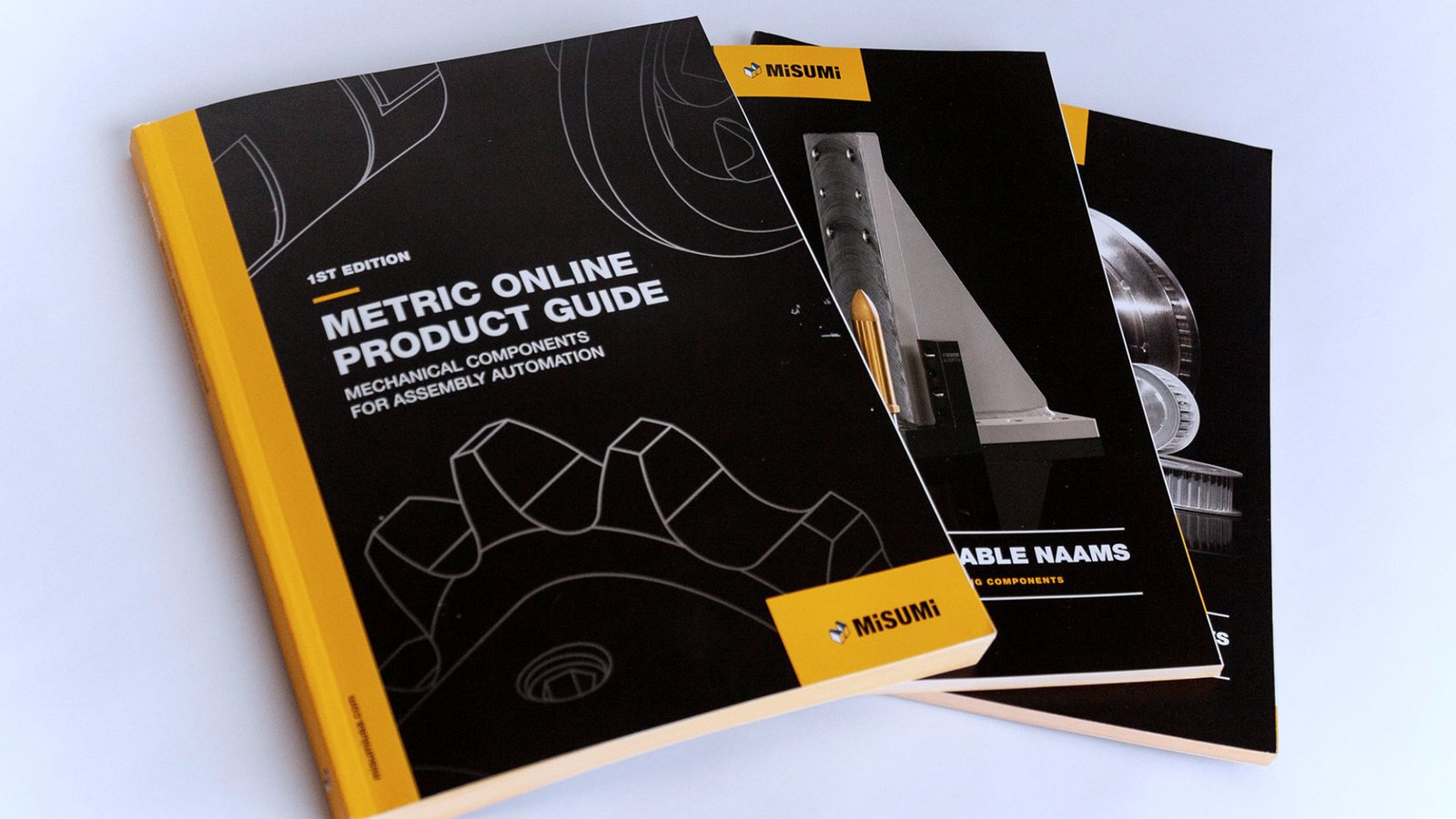
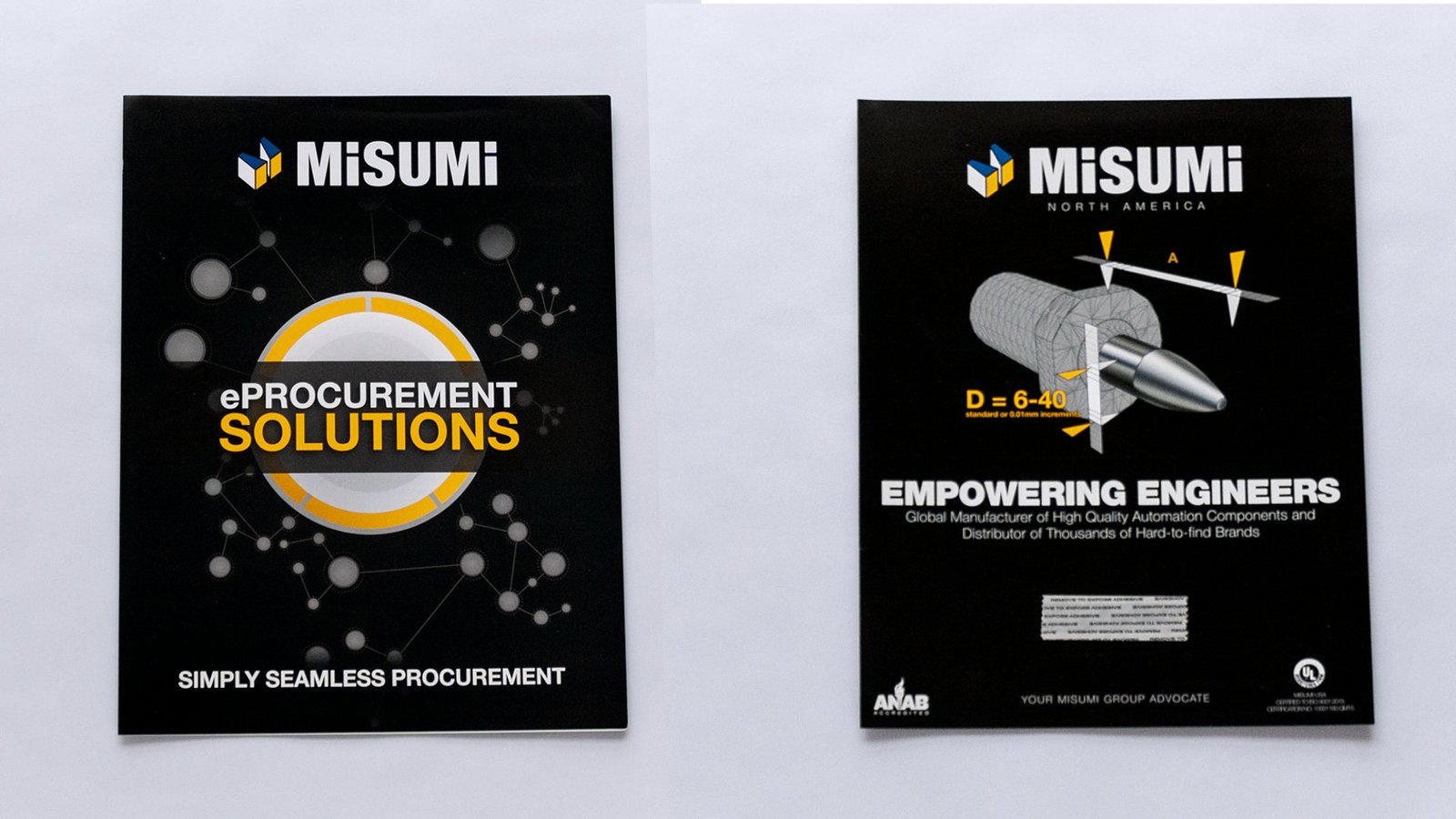
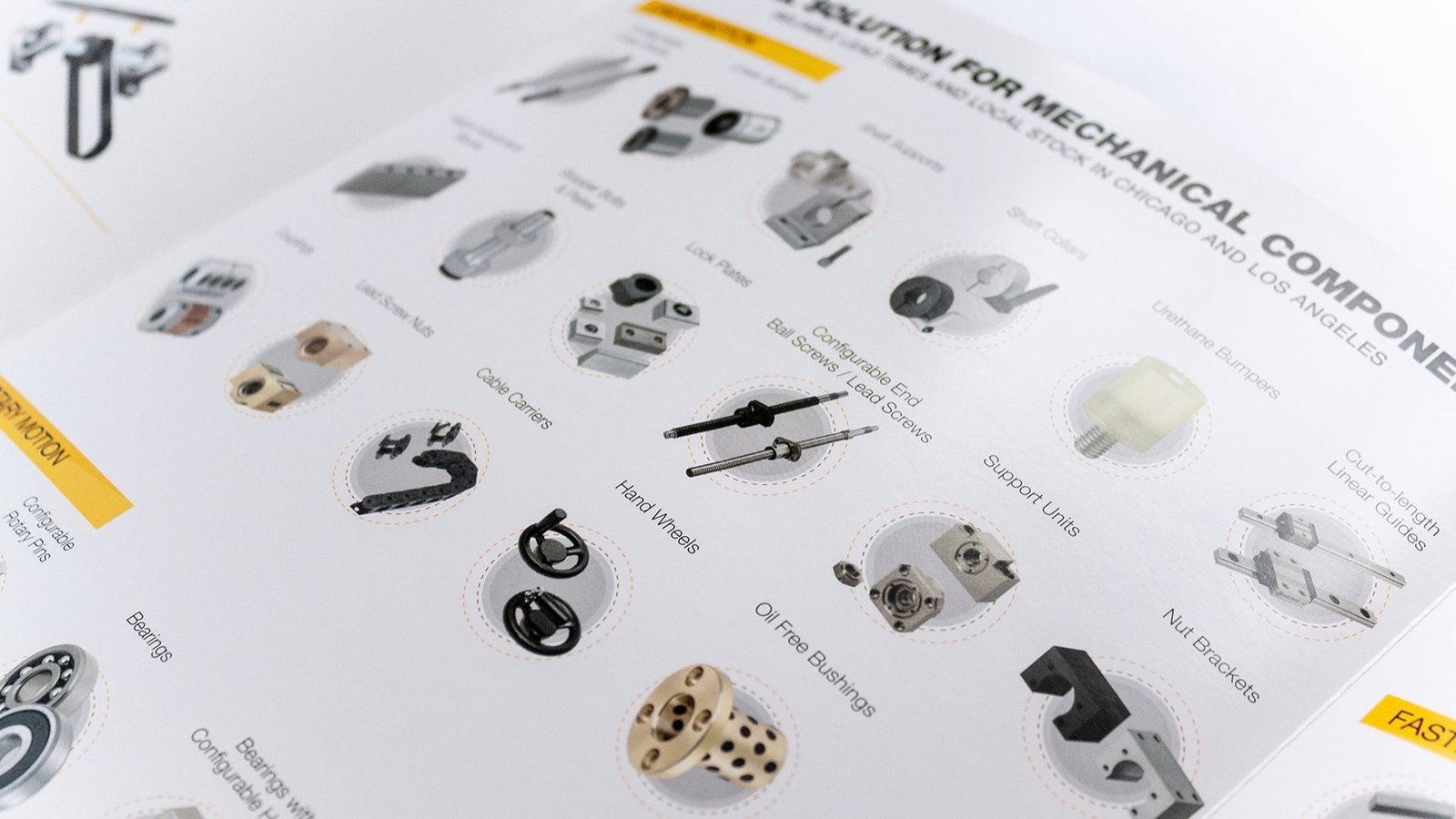
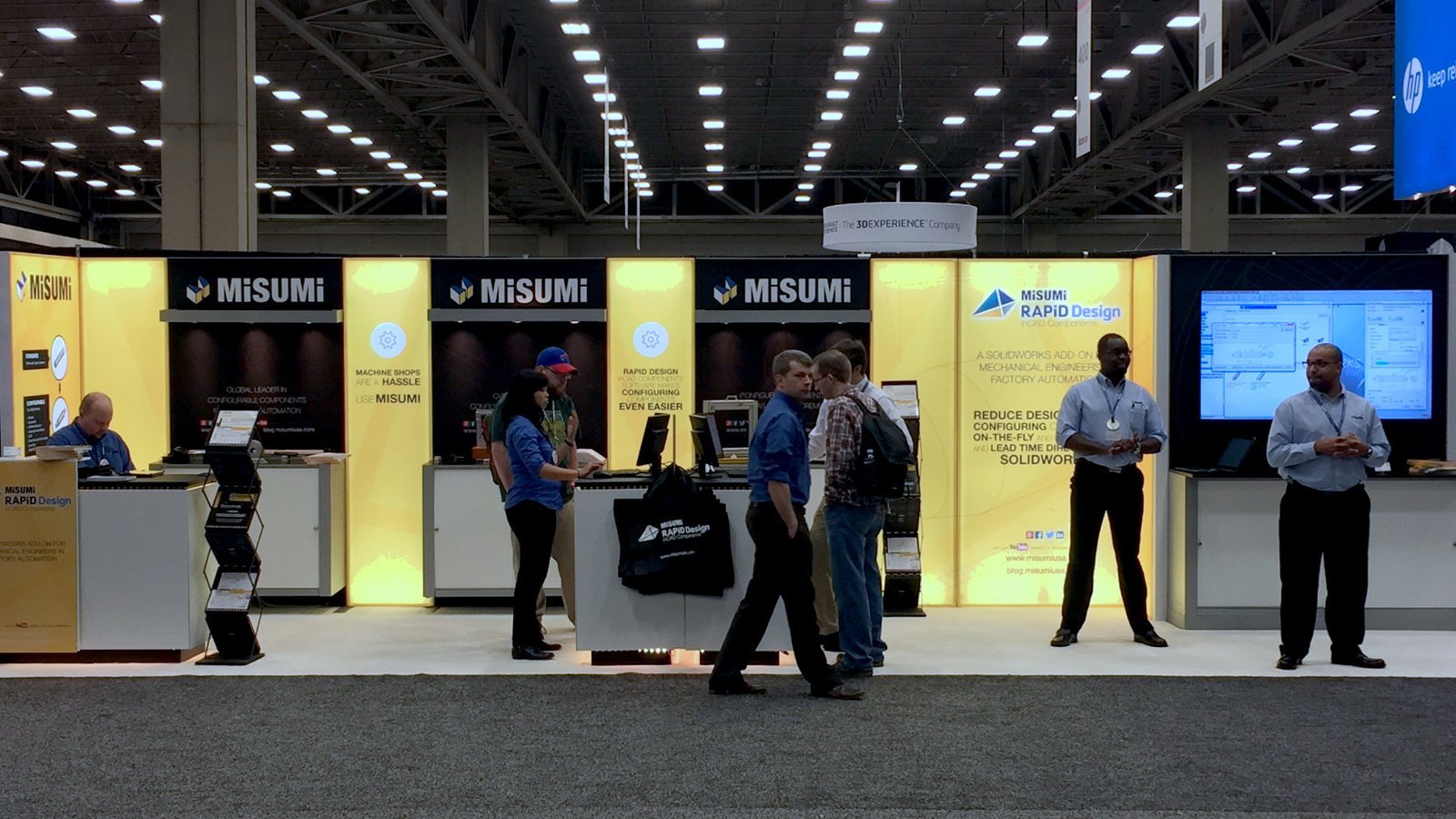
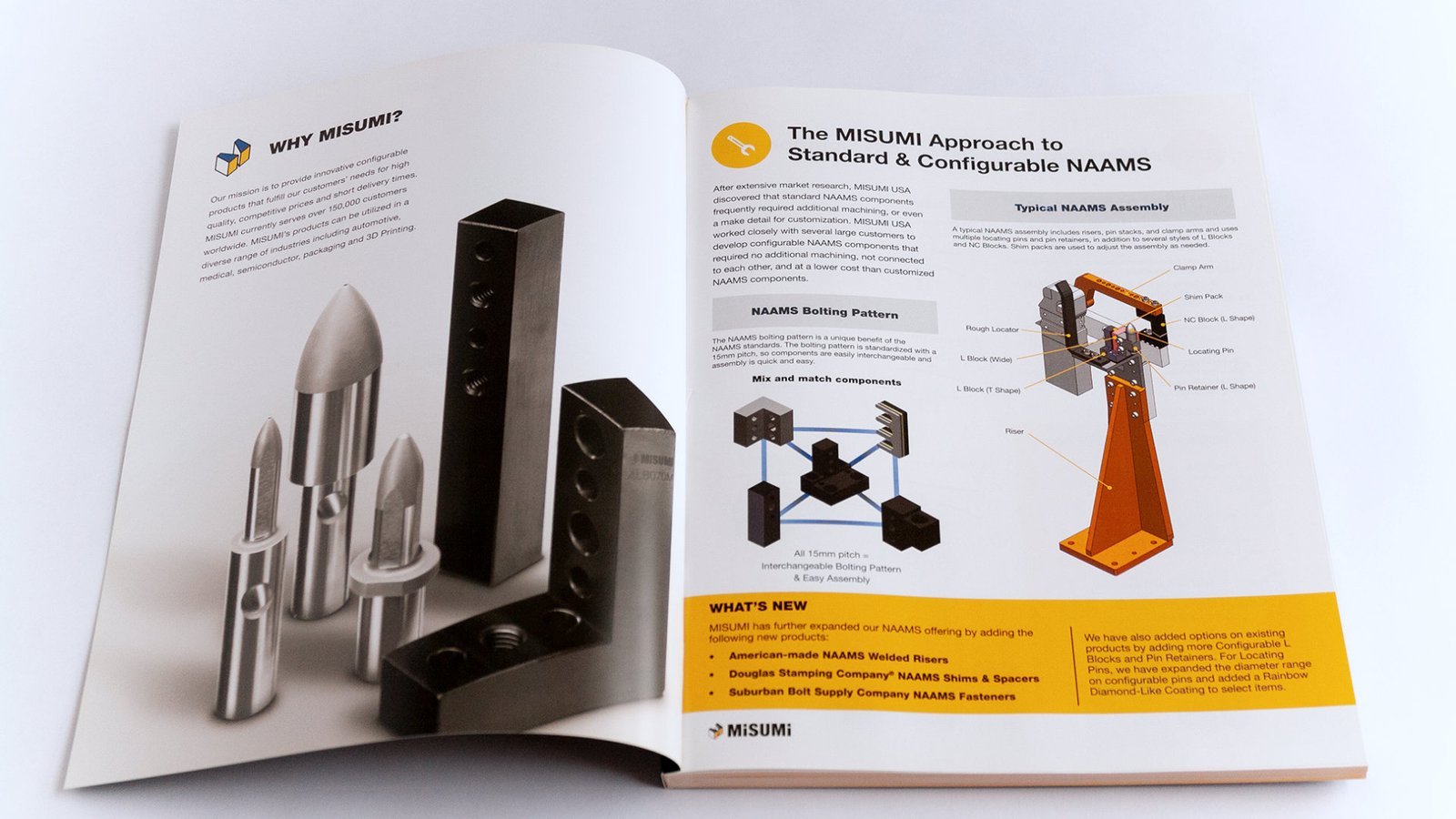
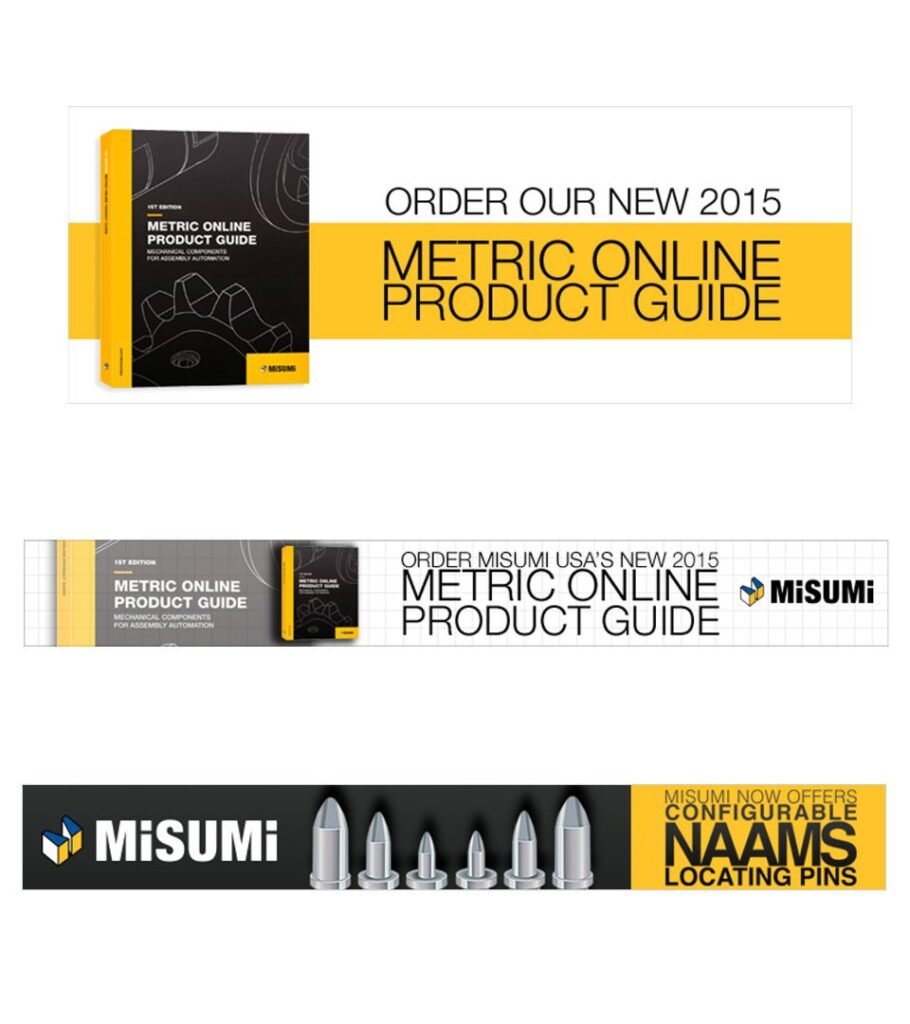
Working closely with the Director of Marketing and Marketing Manager, I helped establish a distinct North American brand expression—one that preserved MISUMI’s engineering credibility while aligning with Western expectations around premium marketing and sales materials. We introduced a bold yellow-and-black color system to create immediate visual contrast, elevated catalogs and brochures through the use of premium stocks and finishes, and brought intentionality to every customer touchpoint.
I also championed the creation of an in-house photography and video studio, reducing costs while increasing creative control and efficiency. This enabled higher-quality product imagery, faster production cycles, and the launch of educational engineering videos featuring MISUMI’s subject-matter experts. Through focused creative direction and social media strategy, MISUMI USA experienced measurable growth across social and YouTube platforms, ultimately earning the attention of MISUMI headquarters in Japan, who began adopting elements of our North American marketing approach.
Visualizing Configurability
Making MISUMI's value proposition visible
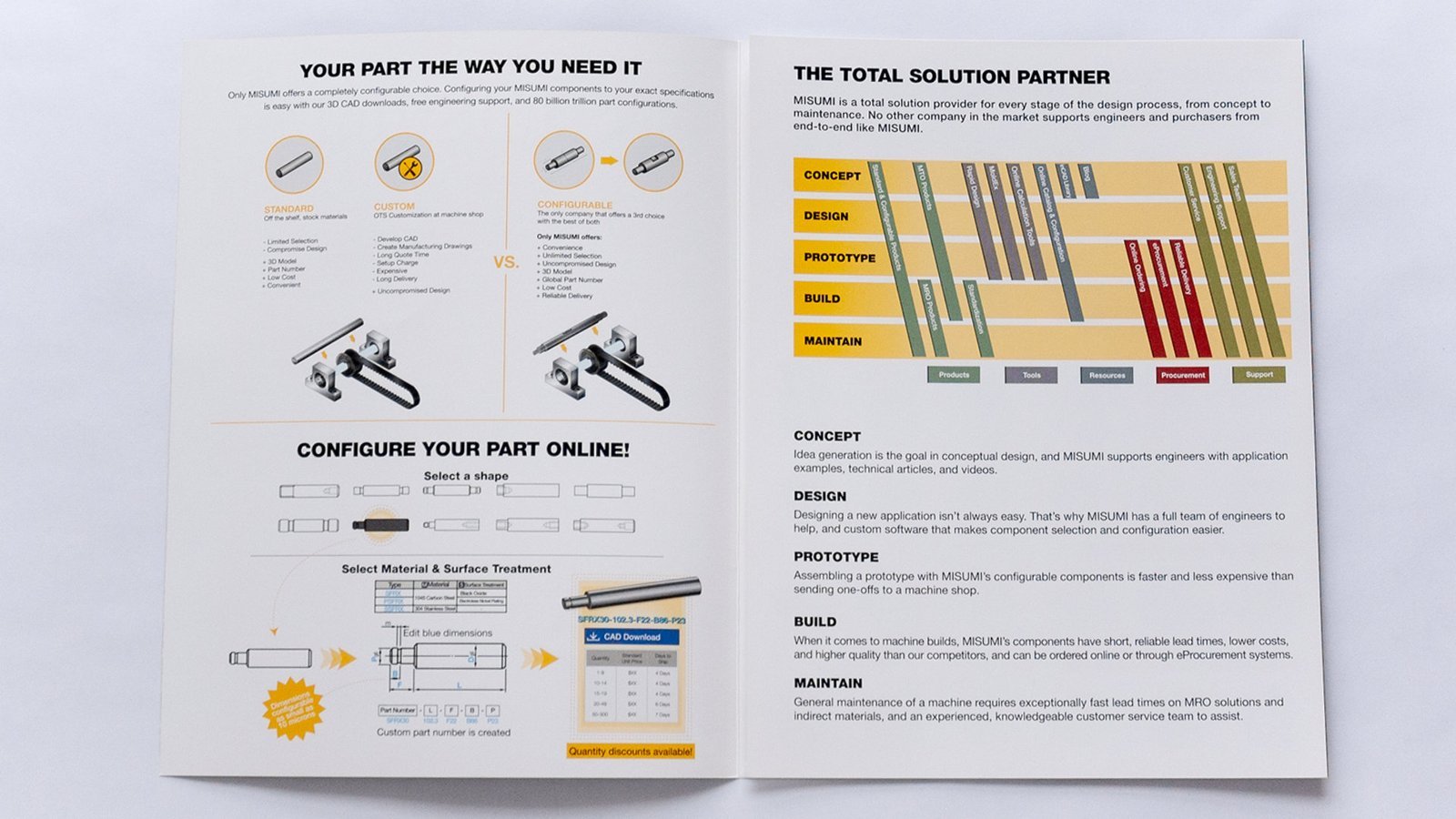
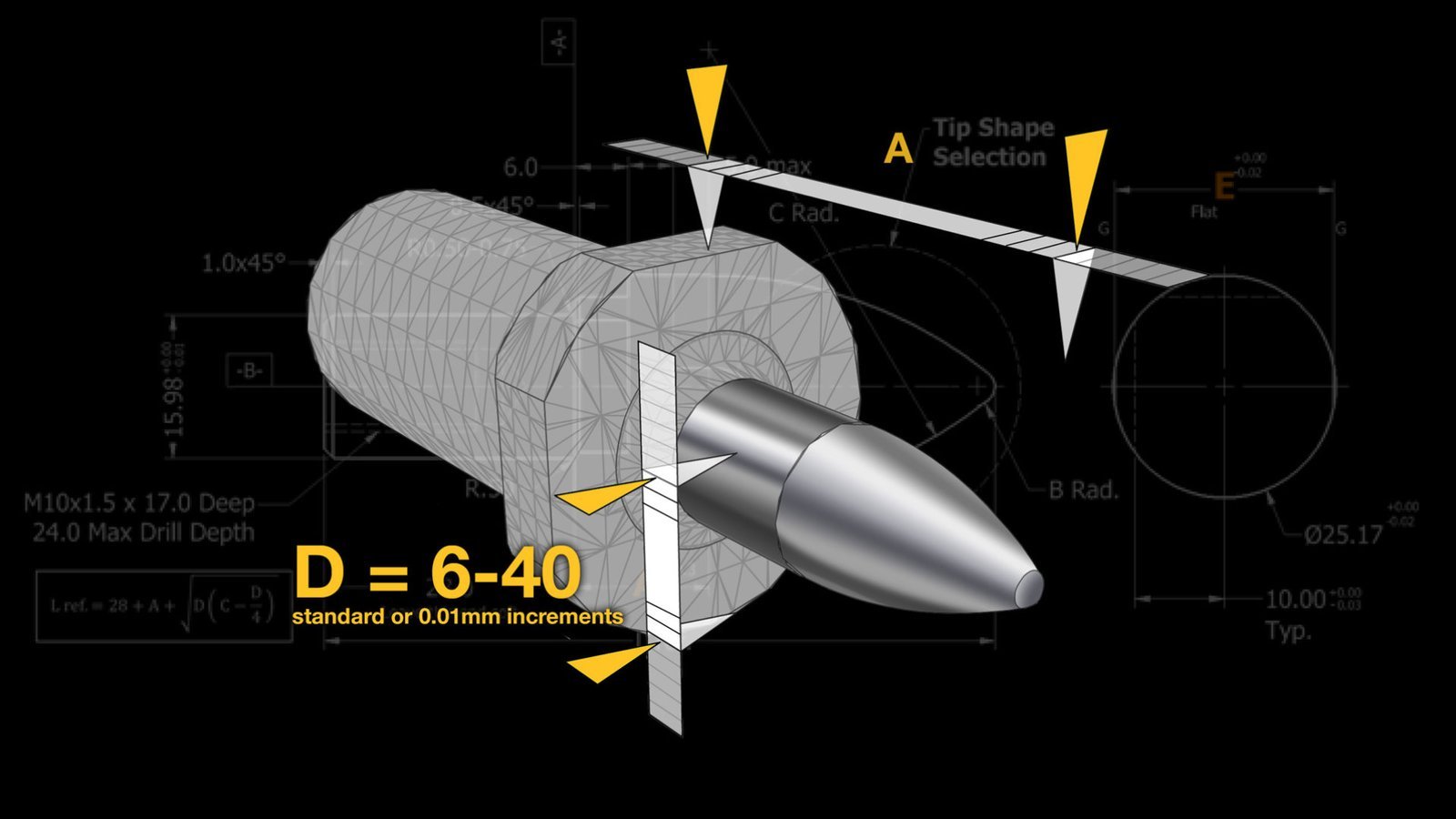
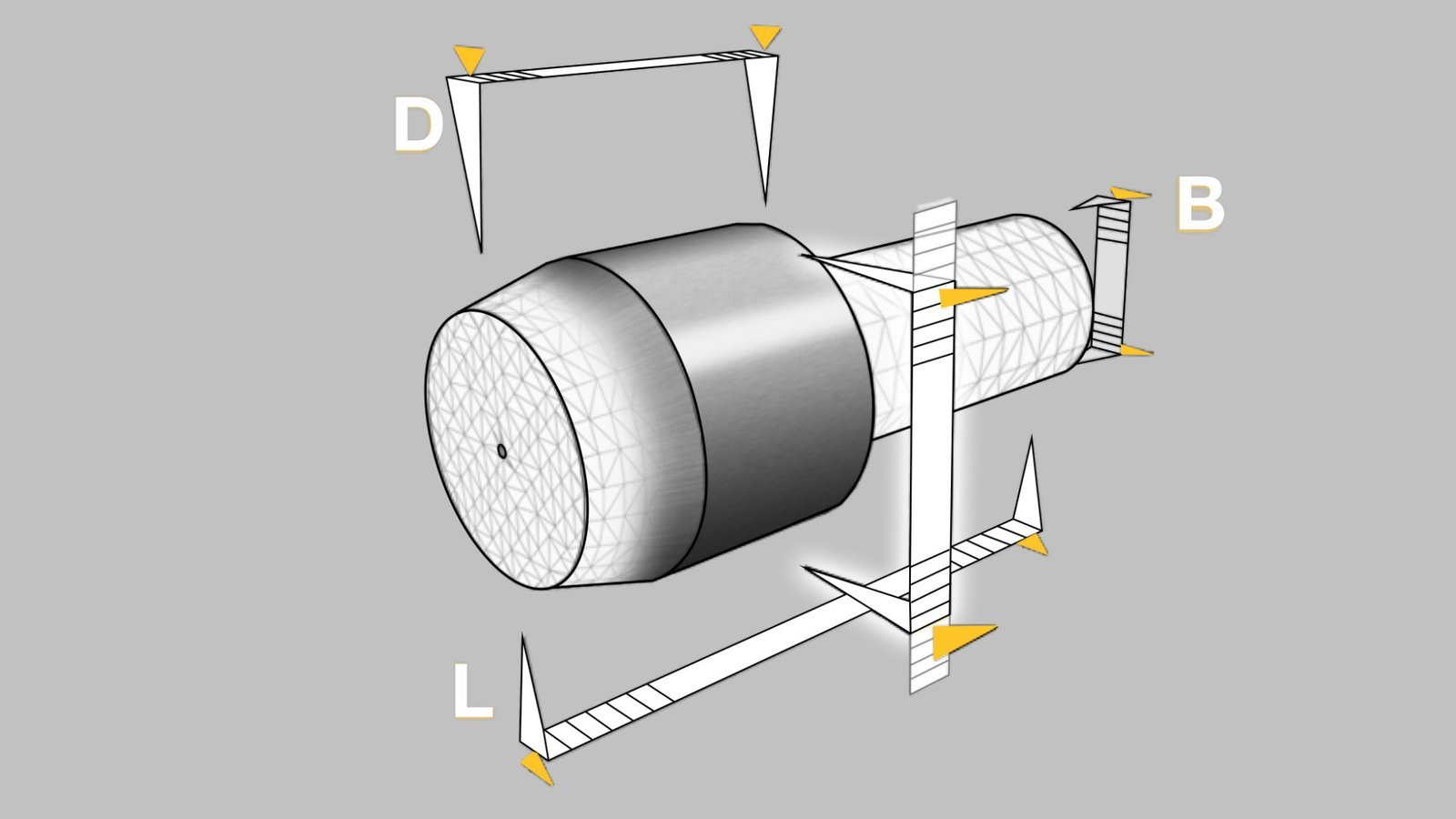
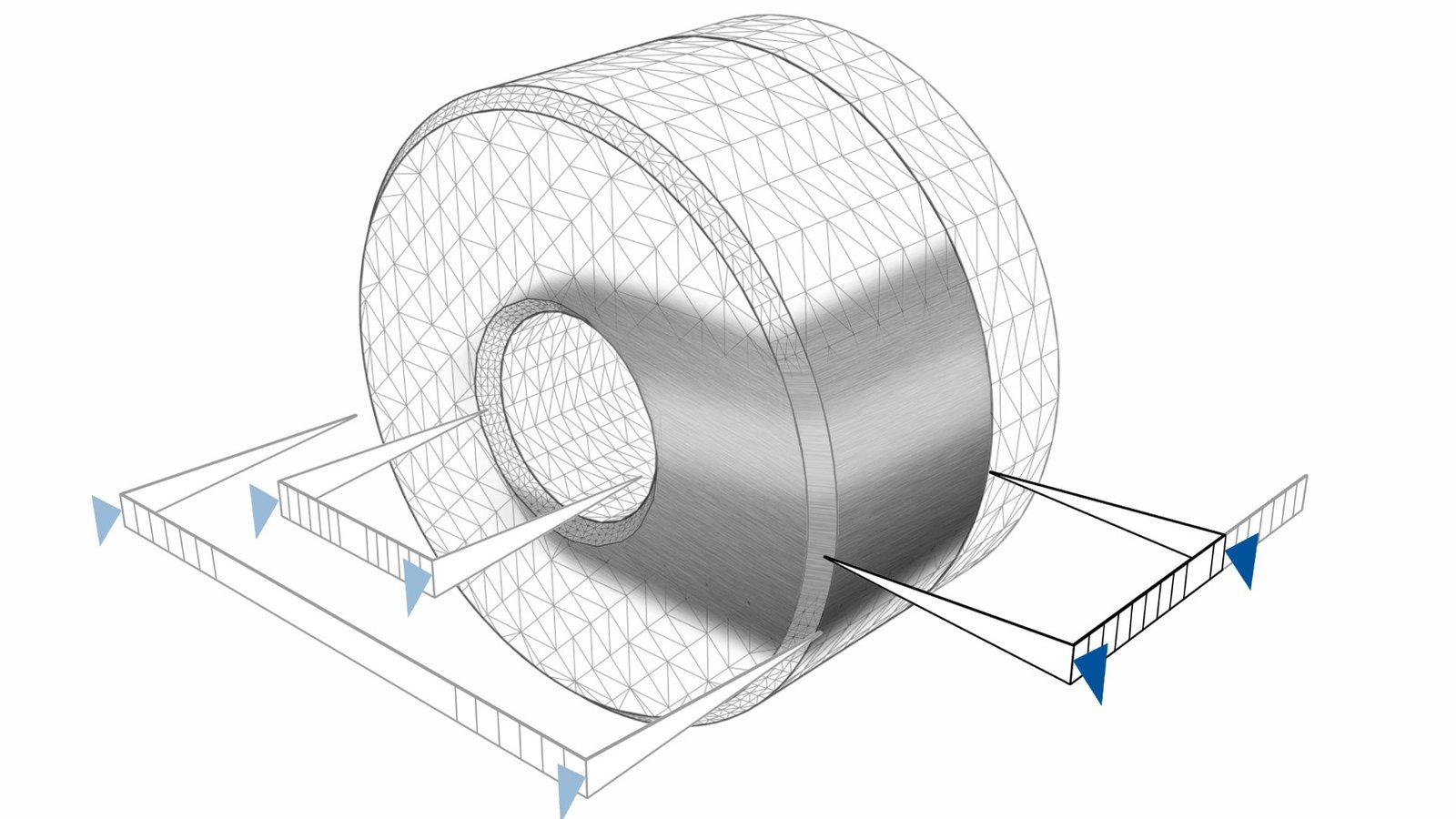
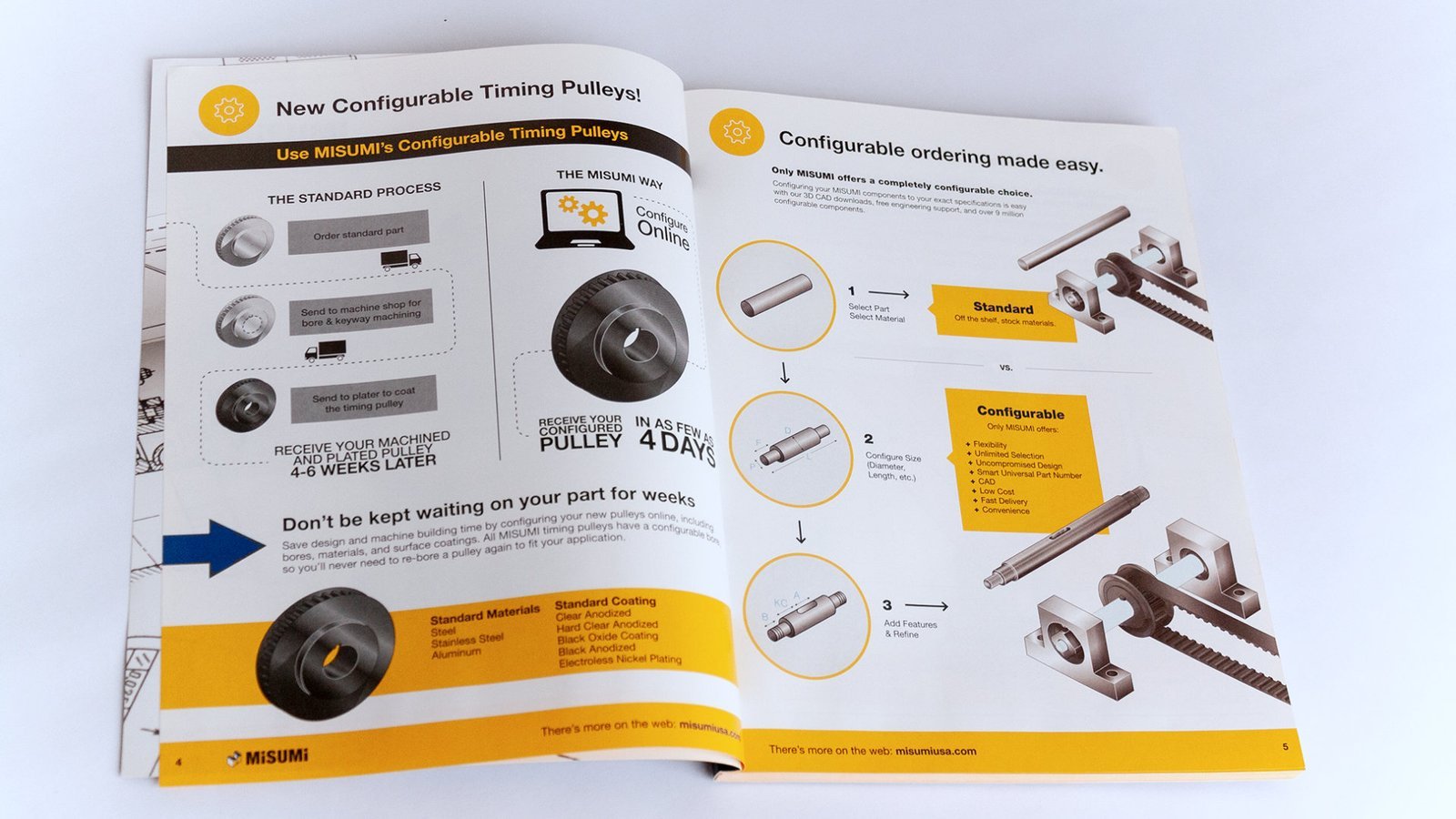
One of MISUMI’s greatest strengths—fully configurable components—was also one of its hardest value propositions to communicate visually. To address this, I developed a modular visual system using MISUMI’s own components as the foundation. Each component was intentionally illustrated in stages: partially rendered in wireframe to suggest in-process creation, transitioning into fully textured, machined forms to represent completion. To reinforce the concept of customization, I introduced visual measurement indicators resembling a hybrid of rulers and calipers, signaling adjustable dimensions and precision engineering. This system allowed abstract manufacturing concepts—configurability, flexibility, and made-to-order precision—to be understood at a glance. The visuals became a repeatable storytelling device across marketing materials, helping customers quickly grasp what differentiated MISUMI from competitors and reinforcing the brand’s promise of components built exactly to spec.